

If you have diabetes, managing your blood sugar is about more than keeping your numbers in range. It also plays an important role in protecting your kidneys and your overall health.
Diabetes is a leading cause of chronic kidney disease. Over time, high blood sugar can damage the small blood vessels in the kidneys that help filter waste and excess fluid from the blood. As kidney function declines, waste can build up in the body and lead to serious health complications. The good news is that keeping your blood sugar within your recommended target range can help protect your kidneys and may slow the progression of kidney disease.
Your kidneys contain millions of tiny blood vessels that act as filters, removing waste products from your blood. When blood sugar remains too high for extended periods, these blood vessels can become damaged and may not work as effectively. Because kidney damage can develop gradually, people may not notice symptoms in its early stages. This makes regular monitoring especially important for people living with diabetes. Know Your Blood Sugar Goals
Your healthcare provider can help determine the blood sugar targets that are right for you based on your individual health needs.
For many adults with diabetes, general targets may include:
• Before meals: 80–130 mg/dL
• Two hours after eating: Less than 180 mg/dL
• A1C: Around 7%
Individual goals can vary, so it is important to follow the recommendations of your healthcare provider.
Blood sugar levels can change throughout the day for many reasons.
Blood sugar may rise after eating more carbohydrates than usual, during periods of stress, when you are less physically active, when experiencing an illness, or when there is not enough diabetes medication in your system.
Blood sugar may drop as a result of skipping meals, exercising more than usual, drinking alcohol on an empty stomach, or taking too much diabetes medication.
Understanding what affects your blood sugar can help you recognize patterns and work with your healthcare team to manage your diabetes more effectively.
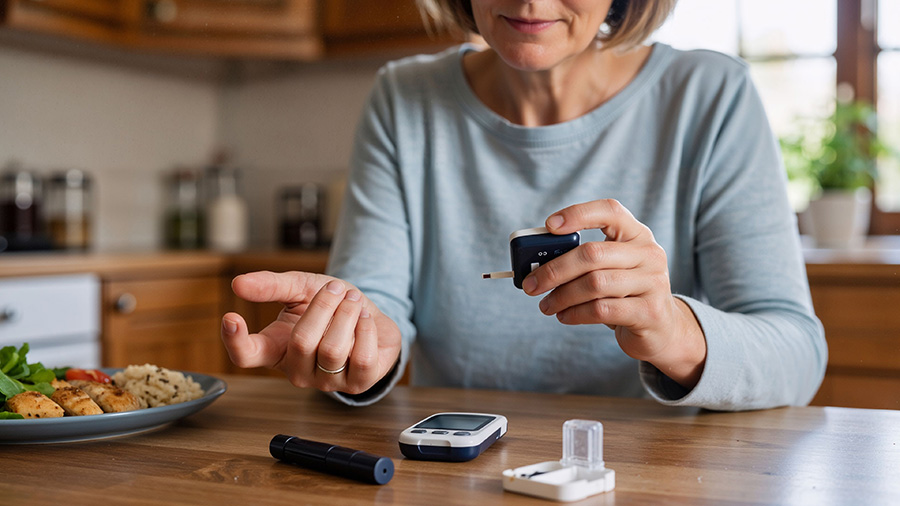
Regular monitoring is one of the best ways to understand how well your diabetes management plan is working.
Check your blood sugar as directed by your healthcare provider and keep a record of your results to discuss during medical appointments. Your healthcare provider may also recommend having an A1C test at least twice a year to measure your average blood sugar levels over the previous several months.
Managing diabetes is an ongoing process, but everyday choices can make a meaningful difference. Healthy eating, regular physical activity, taking medications as prescribed, monitoring blood sugar and keeping routine health care appointments can all help support kidney health.
“By managing your diabetes through healthy eating, regular exercise, medication and routine monitoring, you can help protect your kidneys and maintain your health.” — Jill Keesee, Director of Patient Care Services, Queens-Long Island Renal Institute
The Queens-Long Island Renal Institute (QLIRI) is a state-of-the-art dialysis center conveniently located inside the first-floor lobby at Parker Jewish Institute in New Hyde Park, New York.
QLIRI provides patients with high-quality dialysis care, advanced technology and uncompromising dignity in a bright, modern environment. Taking control of your blood sugar today can be an important step toward protecting your kidney health for the future.